
Oncology Fundamentals Day 2026
Program
The OFD 2026 program focuses on relevant and timely topics within oncology pharmacy and is geared towards pharmacists who provide cancer care as a portion of their practice, pharmacy technicians and assistants looking to enhance their core education, pharmacy students, new practitioners or health care professionals interested in foundational oncology education. The live virtual event will be accredited by the Canadian Council on Continuing Education in Pharmacy (CCCEP) with accreditation specifics to be confirmed in the coming weeks.
Please note the times below are listed in ET.
Saturday
October 17, 2026


The treatment landscape for prostate cancer continues to evolve, with newer therapies being used earlier in the disease course and treatment decisions are becoming increasingly individualized. This session will provide a practical update on recent advances in prostate cancer treatment, with a focus on changes that are most relevant to pharmacists.
The presentation will review the evolving approach to treatment intensification in metastatic castration-sensitive prostate cancer (mCSPC), including the expanding role of androgen receptor pathway inhibitors and the use of doublet and triplet therapy. The growing role of precision medicine will also be discussed, with a focus on genomic testing and how results can inform treatment selection, including the evolving use of PARP inhibitors. The expanding role of prostate-specific membrane antigen (PSMA) in both imaging and treatment will also be highlighted. Finally, the session will review the increasingly complex approach to treatment selection and sequencing in metastatic castration-resistant prostate cancer (mCRPC), recognizing that many patients now enter this stage having already received an androgen receptor pathway inhibitor and potentially chemotherapy earlier in their disease course.
Throughout the presentation, practical considerations for pharmacists, including treatment selection, drug interactions, toxicity management, and drug access with be emphasized.
Learning Objectives
After this session, participants will be able to:
1) Describe the major recent changes in systemic therapy across the prostate cancer continuum.
2) Apply current principles of treatment intensification in metastatic castration-sensitive prostate cancer (mCSPC).
3) Explain how genomic testing and PSMA expression increasingly guide treatment selection.
4) Identify key considerations when selecting, monitoring and sequencing contemporary therapies.

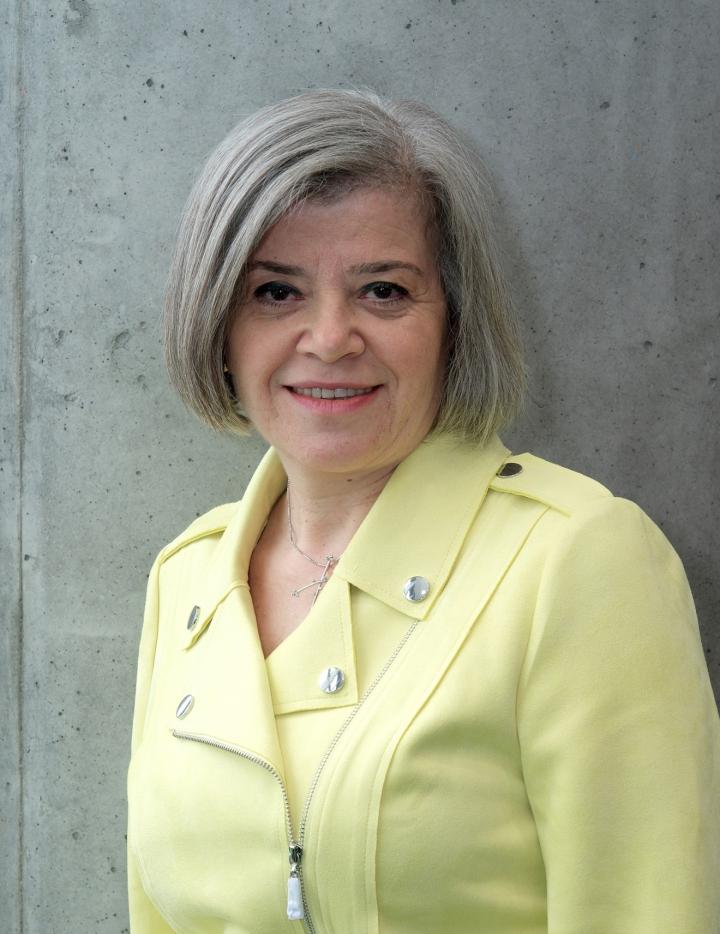
Navigating healthcare and medication coverage for newcomers can be complex, with eligibility varying based on immigration status, province of residence, and available insurance options. This session will provide an overview of healthcare and drug coverage in Canada, explore the unique needs of different newcomer populations, and outline the federal, provincial, and private programs that support access to care. Participants will gain practical insights into medication coverage and reimbursement pathways, including Quebec-specific RAMQ processes, and learn a structured approach to facilitating medication access for patients. Through real-world oncology case studies, speakers will highlight common challenges and strategies for ensuring timely access to treatment and supportive care.
Learning Objectives
After this session, participants will be able to:
1) Differentiate between the major newcomer and immigration statuses in Canada.
2) Identify available health care and prescription drug coverage programs for newcomers in Ontario and Quebec.
3) Navigate medication access challenges and opportunities for newcomers using practical clinical scenarios.

Acute lymphoblastic leukemia (ALL), despite being the most common pediatric cancer, is overall a rare malignancy, and the rarest of the four main leukemias seen in adult patients. It is an aggressive leukemia that typically demands complex and often lengthy treatment regimens.
This presentation is primarily intended for pharmacists who are new to oncology/hematology practice, as well as those working in a more general clinical practice who are seeking a foundational understanding of ALL. We will begin by reviewing the key characteristics of this malignancy, including its incidence, risk factors, pathophysiology, clinical presentation, as well as the diagnostic workup. We will then look at the therapeutic approaches used to treat adult ALL, focusing primarily on B-cell ALL, reviewing the treatment regimens and the different agents that comprise them. The mechanisms of action, administration particularities and clinically significant adverse effects of these drugs will be discussed.
Learning objectives
After this session, participants will be able to:
1) Understand the pathophysiology, clinical presentation and diagnostic workup of acute lymphoblastic leukemia (ALL).
2) Summarize the key treatment regimens for adult B-cell ALL.
3) Identify the different agents that are commonly used in adult B-cell ALL treatment regimens, as well as their mechanisms of action, administration and clinically relevant adverse effects.
4) Recognize the pharmacist’s role in the care of adult patients with ALL.
Take a 30-minute break, we'll see you soon.
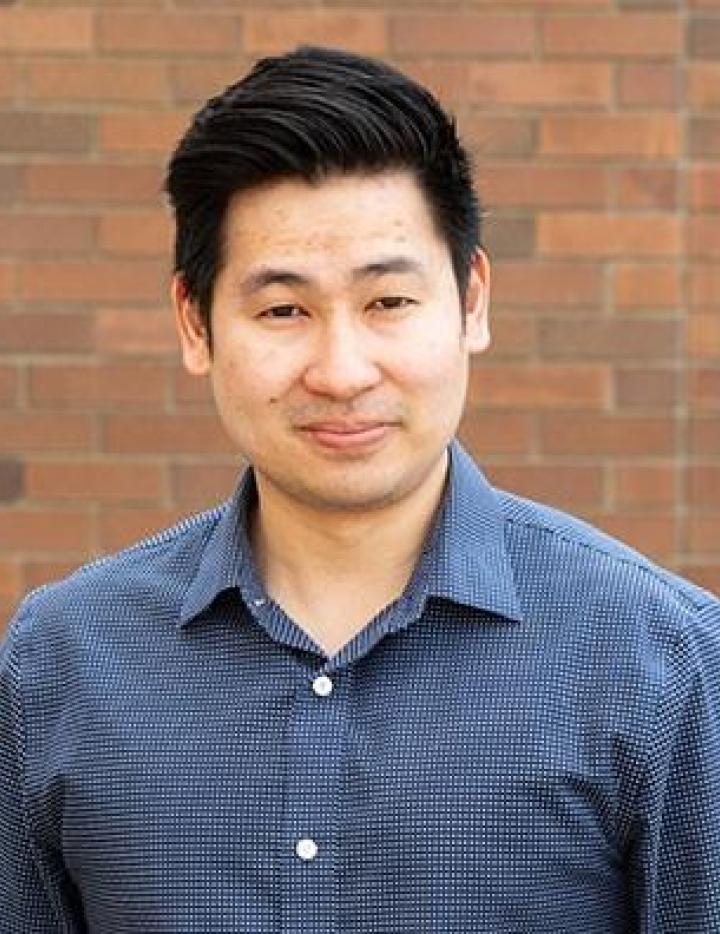
Palliative care and symptom management is a significant and important aspect of a patient's cancer journey. Optimizing pain management is one of the core principles of palliative care and early integration of palliation can improve both symptoms and quality of life. This session will take a practical approach to pain management with a focus on opioid rotations and communication strategies that pharmacy practitioners can apply in everyday practice.
We will review opioid mechanisms of action, discuss the principles of an opioid rotation, and work through practical cases to strengthen confidence with opioid rotations. We will also explore the role of methadone and buprenorphine in pain management, including their unique pharmacology and key considerations for their use. In addition, we will discuss the role of adjunctive medications such as gabapentinoids and duloxetine in the management of neuropathic and mixed pain syndromes.
Palliative care extends beyond medication management. Practical communication strategies will be shared to help pharmacy staff feel more comfortable engaging in meaningful conversations with patients and their caregivers about symptom management and care goals.
Learning Objectives
After this session, participants will be able to:
1) Describe opioid mechanism of action and the principles of opioid rotations, including key clinical considerations.
2) Apply opioid rotation skills to patient cases to strengthen practitioner confidence.
3) Discuss the role of methadone and buprenorphine in palliative care, including their benefits, limitations, and practical considerations.
4) Recognize when adjunctive medications such as gabapentinoids and duloxetine may be helpful.
5) Share practical tips for compassionate and empathetic conversations with palliative patients.

Drug therapy is a large part of cancer treatment and is changing and evolving at a rapid pace. An understanding of the basics of anticancer therapy pharmacology is important for all health care providers who support the treatment of cancer patients. The target audience for this session is pharmacy technicians practicing in oncology and would also be valuable for technicians and pharmacists with limited oncology exposure who are looking to build their foundational knowledge.
Learning Objectives
After this session, participants will be able to:
1) Identify the four general categories of antineoplastic agents.
2) Describe pharmacology and possible mechanisms of resistance.
3) Review common toxicities and adverse events.
4) Explain the general rationale for combination pharmacotherapy in cancer treatment.
Take a 15-minute break, we'll see you soon.
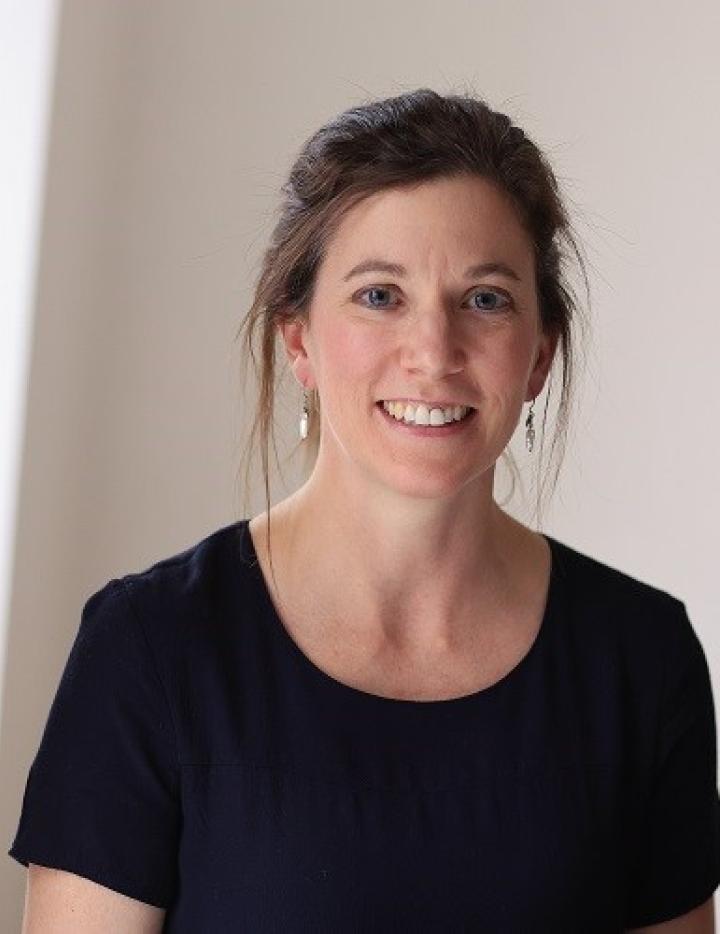
Many front-line oncology pharmacy professionals are interested in conducting research to improve patient care and advance practice; however, it can be difficult to get started and to navigate the complex research process while balancing clinical and other responsibilities. This presentation will outline the steps involved in initiating and completing oncology pharmacy research including identifying a research topic, choosing appropriate methodology, preparing Research Ethics Board and Privacy submissions, collecting and analyzing data, drafting a manuscript, and submitting and revising a manuscript for publication. Upfront considerations for front-line oncology pharmacy professionals who undertake research will be discussed such as feasibility, capacity, and funding, and strategies to overcome common challenges faced by front-line oncology pharmacy researchers will be highlighted with a focus on engaging and mentoring learners. Tips for how to get started, how to build an effective research team and how to see your research efforts through to the end will be provided, along with discussion of opportunities to collaborate with interprofessional and patient research partners, and the importance of leadership, departmental and other supports.
Learning Objectives
After this session, participants will be able to:
1) Outline the steps involved in initiating and completing oncology pharmacy research.
2) Discuss considerations for undertaking oncology pharmacy research as a front-line pharmacy professional and provide examples of strategies to overcome challenges.
3) Describe practical ways in which front-line oncology pharmacy professionals can engage and mentor learners to complete and publish meaningful research.

Cancer patients are at increased risk for vaccine-preventable illnesses due to immunosuppression associated with cancer and its treatment. Although the American Society of Clinical Oncology (ASCO), the National Comprehensive Cancer Network (NCCN), and Canadian Immunization Guide recommend providing vaccinations early in the treatment journey, logistical barriers often result in low immunization rates. This presentation reviews recommended adult vaccinations for patients beginning immunocompromising therapies and addresses key considerations, including assessing vaccination history, vaccine timing, costs, potential side effects, and strategies to address vaccine hesitancy. A practical guide to each vaccine on the Canadian market will be reviewed summarizing evidence supporting its use in immunocompromised populations. Finally, the presentation highlights the potential pharmacist role of improving vaccination uptake through pharmacist-led vaccine clinics for cancer patients, emphasizing their contribution to patient education, care coordination, and the delivery of recommended immunizations.
Learning Objectives
After this session, participants will be able to:
1) Outline current adult vaccination recommendations for cancer patients starting immunocompromising treatment from American Society of Clinical Oncology (ASCO), National Comprehensive Cancer Network (NCCN), and the Canadian Immunization Guide.
2) Summarize key considerations for health care providers giving immunizations to cancer patients such as: determining patient history, costs, vaccine timing, potential side effects, and vaccine hesitancy.
3) Provide a practical outline of latest recommended vaccines on the Canadian market including administration, route, storage and schedule.
4) Review data for use of vaccinations in immunocompromised patients.
5) Highlight the role of the pharmacist in providing education and administration of vaccinations for adult cancer patients early in treatment journey.ent journey.